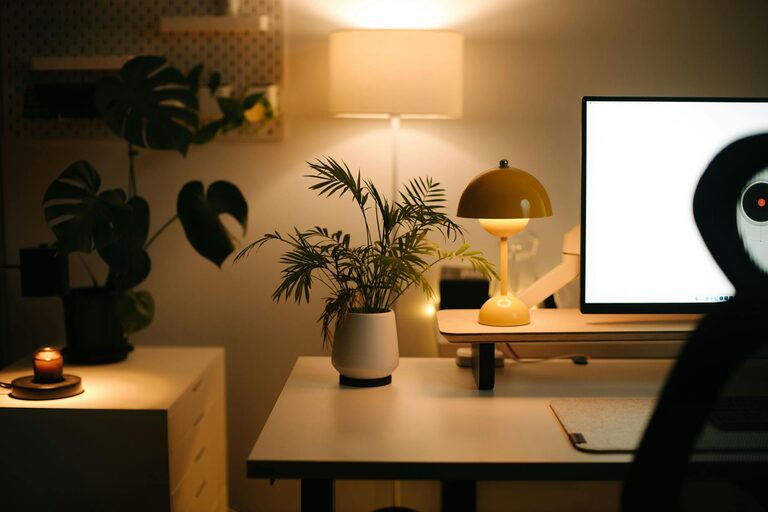
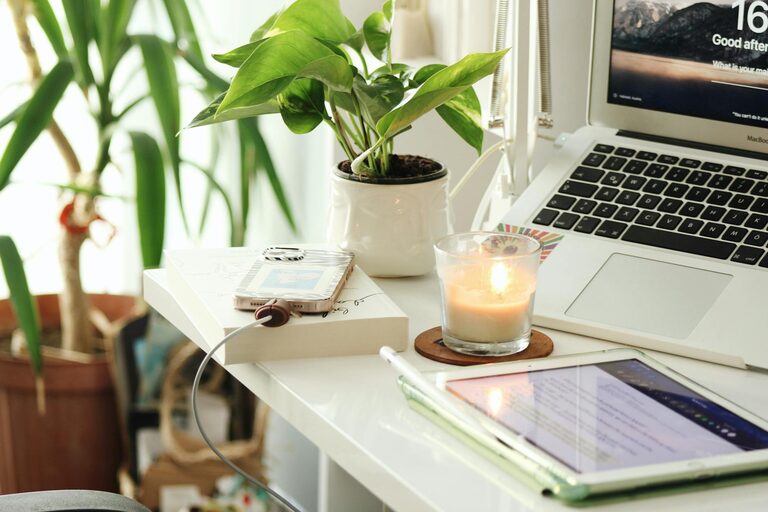
Creating a cozy and productive home workspace is essential for anyone working remotely or spending significant time on personal projects at home. A well-designed workspace not only boosts your efficiency but also contributes to your overall well-being by reducing stress and encouraging focus. Whether you have a dedicated room or a small corner in your living area, these tips will help you transform your space into an inviting and functional area for work.
1. Choose the Right Location
Selecting the right spot in your home for a workspace sets the foundation for both comfort and productivity.
Consider natural light
Try to work near a window if possible. Natural light enhances mood and energy levels. Position your desk so that sunlight doesn’t create glare on your screens but still brightens your work area.
Minimize distractions
Look for a quiet spot away from high-traffic areas, television noise, or noisy appliances. This helps you maintain focus during work hours.
Think about ergonomics
Make sure the space allows room for appropriate furniture and movement. Avoid cramped areas that might restrict your posture or comfort.
2. Invest in Comfortable and Functional Furniture
Your furniture plays a crucial role in your comfort and efficiency throughout the day.
Ergonomic chair
Choose a chair with good lumbar support and adjustable height to prevent back strain. Sitting comfortably is key for long working sessions.
Spacious desk
Select a desk that fits your needs — it should have enough space for your computer, notebooks, and other essentials without feeling cluttered.
Flexibility options
If possible, consider a sit-stand desk or use an adjustable desk converter to alternate between sitting and standing, helping reduce fatigue.
3. Personalize Your Workspace
A personalized environment helps make your workspace inviting and motivates you to stay productive.
Add greenery
Plants not only improve air quality but also create a calming atmosphere. Choose low-maintenance plants like succulents or pothos for easy care.
Use colors wisely
Incorporate colors that inspire creativity and calmness, such as soft blues, greens, or warm neutrals. Avoid overly bright or distracting patterns.
Display meaningful items
Keep a few personal touches like photos, artwork, or motivational quotes nearby to inspire you without overwhelming your space.
4. Organize and Declutter
A tidy workspace can reduce anxiety and help you find things quickly, improving your workflow.
Use organizers and storage
Drawer organizers, shelves, and desk trays keep papers, pens, and gadgets in their place. Choose storage solutions that fit your style and workspace size.
Keep only essentials on your desk
Limit items on your desk to what you use daily. Store less frequently used supplies out of sight to maintain a clean look.
Develop a routine
Spend a few minutes at the end of each day tidying your workspace to start the next day fresh and productive.
5. Manage Technology Efficiently
Technology is a cornerstone of any home workspace, so setting it up wisely can prevent frustration.
Invest in good equipment
Ensure you have a reliable computer, high-speed internet connection, and necessary peripherals like a mouse, keyboard, and headphones.
Cable management
Use cable clips, ties, or sleeves to keep wires organized and out of the way. A clutter-free desk helps you focus better.
Backup and security
Regularly back up your files and keep your software updated to avoid losing important work and protect your data.
6. Control Lighting and Ambiance
Proper lighting and a pleasant ambiance contribute to prolonged comfort and focus.
Layer your lighting
Use a combination of natural light, overhead lights, and task lighting to reduce eye strain and create a balanced environment.
Choose warm light bulbs
Warm or soft white bulbs tend to create a cozy atmosphere, whereas harsh fluorescent lighting can increase stress.
Minimize noise
Consider noise-canceling headphones or soft background music if outside noise is unavoidable. This helps create a bubble of concentration.
7. Take Breaks and Move
Creating a space that encourages movement and a healthy routine is important for long-term productivity.
Include space to stretch
If room allows, designate an area for quick stretches or short exercises during breaks. Even a small mat can be useful.
Set timers
Use reminders to take short breaks every hour, which can boost energy and decrease burnout.
Incorporate hydration and snacks
Keep a water bottle nearby and have healthy snacks accessible to maintain energy levels throughout your workday.
—
Creating a cozy and productive home workspace is about balancing comfort, organization, and functionality. By thoughtfully selecting your location, investing in the right furniture, personalizing your environment, and managing technology and lighting, you can set yourself up for success when working from home. Remember to prioritize your well-being with movement and breaks to maintain focus and enthusiasm in your daily work routine. With these tips, your home workspace will become a place you look forward to working in each day.